
The most common defects in cheap office chairs (and how good factories prevent them)
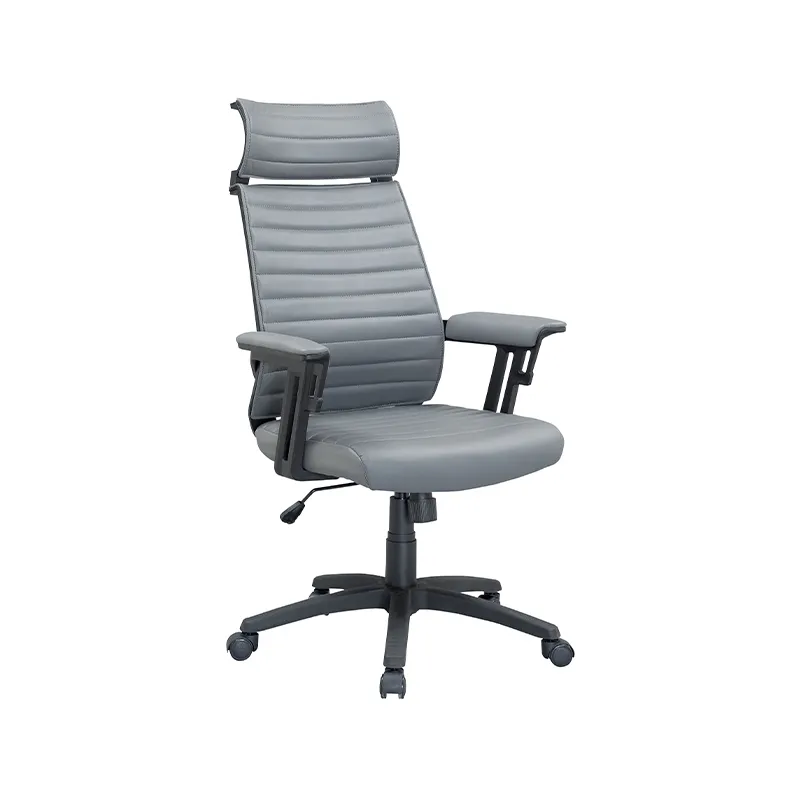
After enough years on a chair line, you learn that failures aren't random — they come from the same short list, almost always traceable to a corner that got cut. Here's that list, what causes each, and the step that prevents it. Use it to know what to inspect for.
1. The chair that sinks
You sit down and slowly drop. Cause: a cheap, unrated gas lift that loses pressure. Prevention: a rated cylinder (SGS Class 3/4). This is the single most common complaint on budget chairs and the easiest to avoid — it's a few cents of difference.
2. The wobble or lean
The chair tips slightly or feels unstable. Cause: a weak or narrow base, or a poorly welded mechanism. Prevention: a proper five-star base sized to the load, and a mechanism that's cleanly welded and fatigue-tested rather than thin stamped steel.
3. The squeak and the loosening
Within months it squeaks and feels loose. Cause: weak welds on the frame or mechanism, or under-torqued hardware. Prevention: consistent welding (we run fatigue tests specifically to make weak welds fail in our plant, not at a desk) and proper assembly torque.
4. The flat seat
Comfortable for a month, then you're sitting on the board. Cause: low-density foam that looks fine on day one. Prevention: moulding foam to a specified density per model — the number cheap factories quietly drop.
5. Cracking or peeling PU
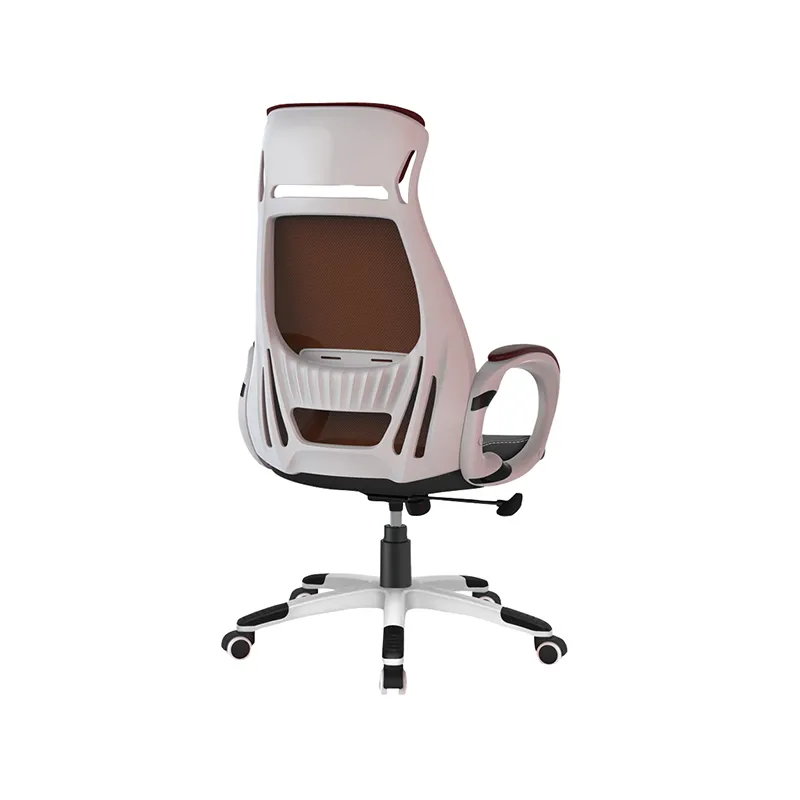
The "leather" cracks within months. Cause: low-grade PU. Prevention: specifying a proper PU grade, not just a colour. Always ask about the material spec on faux-leather chairs.
6. Mesh that sags
The back loses its tension and shape. Cause: cheap mesh or a weak back frame that bows. Prevention: a quality weave on a frame strong enough to hold tension over years.
7. Damaged on arrival
The chair was fine in the factory and arrived broken. Cause: packaging cut to save pennies. Prevention: right carton grade, corner protection, a knock-down layout, and a drop test for e-commerce.
The pattern (and your defence)
Notice the theme: almost every defect traces to four parts — gas lift, welds/mechanism, foam density, and packing — plus PU and mesh grade on the relevant chairs. That's good news, because it means your inspection has a focused checklist.
Your defence is the same three habits we keep coming back to:
- Specify the parts in writing — gas lift class, foam density, PU/mesh grade.
- Sample and work it hard before production.
- Inspect (AQL) before shipment, against the approved sample.
Do those, and the list above becomes someone else's problem. A factory that builds these parts properly *wants* you to check them — it's how we both avoid a bad order.
If you want a chair built without these corners cut — and the spec sheet to prove it — tell us the model and market at [email protected] or through the site.