Elderly-care & aging-friendly chairs
The segment we have leaned into most recently. Lift-assist recliners and supportive seats designed around getting in and out — for care homes, rehab settings and aging-at-home buyers.
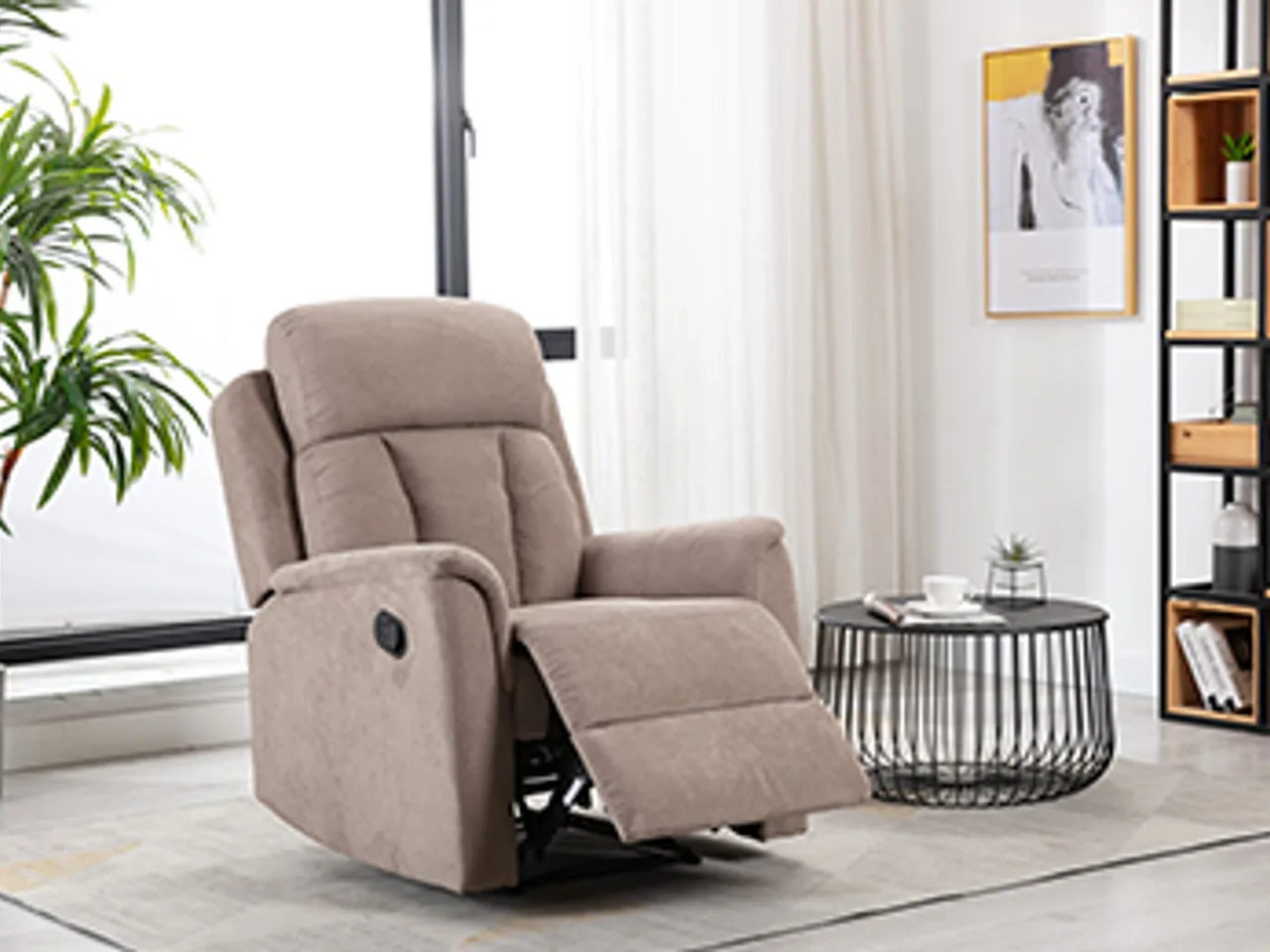
An aging-friendly chair is judged on standing up, not sitting down. So the things we get right are seat height and firmness: a seat that is too soft swallows a frail user and makes rising hard, so we run a firmer foam and a higher front edge than a lounge recliner, and offer a powered lift base that tilts the whole seat forward to bring someone gently to their feet.
For care settings the cover matters as much as the mechanism. We spec wipe-clean PU and waterproof-backed fabrics that take a disinfectant wipe without cracking, because that is what an infection-control policy will actually ask for. Tell us whether the chair is for a single home or a facility roll-out — the durability and cleaning spec we quote is genuinely different between the two.
Typical specification
| Type | Lift-assist (powered tilt-to-stand) or fixed supportive recliner |
|---|---|
| Support | Firmer high-resilience foam, raised front edge for easier rising |
| Controls | Side-mounted handset; single- or dual-motor lift options |
| Covers | Wipe-clean PU or waterproof-backed fabric for infection control |
| Extras | Pocket storage, lockable casters or fixed feet, assist handles |
| Use | Care homes, rehab and assisted living, aging-at-home buyers |
| Testing | Built to seating durability patterns; lift-mechanism and load testing on request |
These are typical build options, not a fixed datasheet — send your market, room and target price and we'll confirm what we'd actually quote, including the choices we'd talk you out of.
Tell us the room — we'll quote the seat that fits it
An office floor, a 300-seat hall or a care home reads very differently on a quote. Send the use case, quantities and market; if a job isn't a fit for us, we'll say so rather than burn your sampling budget.